

Deep Healing Vs Symptom Removal
Deep Healing Vs Symptom Removal


 /Deep Healing Vs Symptom Removal
Most modern medical practices (both allopathic and alternative) are based on symptom removal.
Deep healing is quite different than symptom removal. Symptoms are the focus of modern medicine, and the goal is to make them go away. The problem is that symptoms are red flags that point to deeper imbalances that are usually not addressed.
Deep healing is a much more profound process. It has to do with restoring the body to its former state of health. This means restoring its energy production system, its oxidation rate, its mineral ratios and much more.
Deep healing therefore usually takes longer and involves lifestyle changes as well. It is more work for both the client and the practitioner. Lifestyle, in fact, is always central and this is a good way to tell if your doctor is focused on symptoms or on deeper healing. In the long run, however, it saves time and lots of money, and may save your life as well.
With deep healing, symptom removal occurs as a pleasant “side effect” rather than a goal in itself.
WHAT DOES DEEP HEALING INVOLVE?
1
Repairing Genetic Damage:
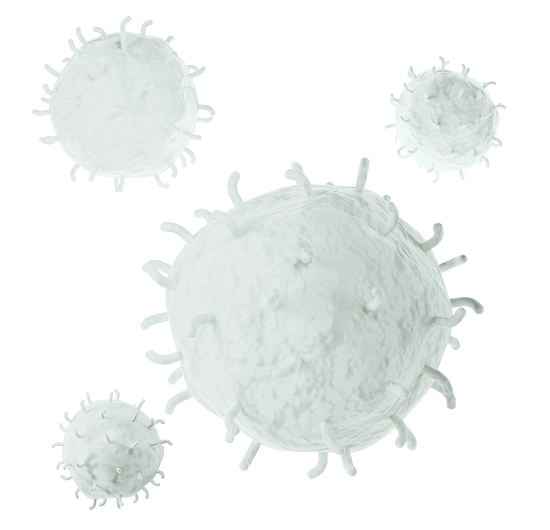
Everyone is born with some mutated, or dysfunctional genes. We are also exposed to radioactive materials, EMFS, Geopathic Stress, and environmental toxins. All these can be gene disruptors. As mutated cells reproduce, more tissue is affected until illness manifests.
While biological and nutritional balancing programs can help reverse this process of degeneration, medical drugs cannot do so.
This process slowly improves the quality of all tissues of the body and can allow the body to remove all diseased, toxic, mutated, and otherwise damaged proteins, hormones and enzymes from the body.
2
Removing Toxic Metals and Harmful Chemicals from the Body:
We suffer from toxic overload due to the industrial use of toxic metals, coal-burning power plant emissions, sealed buildings and household and office chemicals that are everywhere.
Toxic metals replace vital minerals in enzyme binding sites, leading to impaired functioning of the enzymes. Toxic chemicals bind to receptor sites and interfere with metabolic processes in many other ways that lead to impaired health.
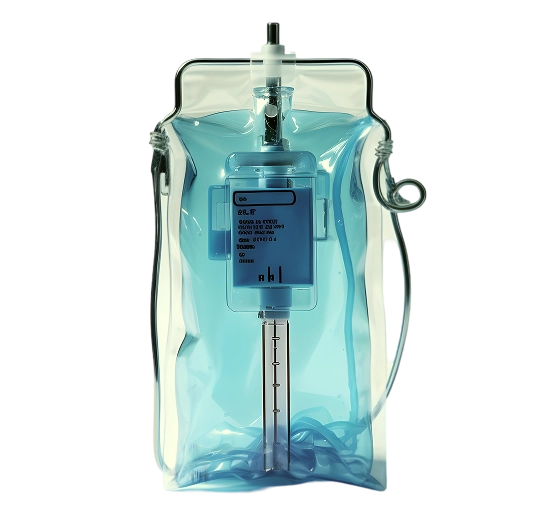
Nutritional balancing and detoxification with near infrared light sauna therapy, enemas and other methods will slowly remove accumulated toxic chemicals and heavy metals from the body.
3
Replenishing Dozens of Essential Nutrients:
Depleted soil, use of hybrid crops, chemical agriculture, poor-quality refined food diets, poor eating habits and stressful lifestyles contribute to widespread nutrient deficiencies in the population. Most children are born with nutritional imbalances due to imbalances in the parents. Nutrient deficiencies are subtle at times, severe at times, and result in a multitude of health conditions.
Replenishing all the vital minerals takes several years at least, as the body has buffering systems to prevent excessive absorption of any nutrient. Lifestyle changes are also often essential to reduce stress and improve food choices, shopping and cooking practices, and eating habits.

4
Eliminating Infections (Biological Toxins):
Most people have half a dozen or more chronic infections. The body is severely affected by both endotoxins and exotoxins. These circulate in the blood and can contribute to many conditions such as post-nasal drip, headaches, chronic pain, bloating, fatigue and hundreds of other health problems.
With nutritional balancing, in most cases antibiotics, antifungal and anti-parasite herbs or drugs are not required to clear these infections. Enhancing the body’s energy, improving circulation, replenishing nutrients and eliminating toxic substances improves infection-fighting ability and removes cellular debris on which the organisms feed.
5
Balancing the Autonomic Nervous System:
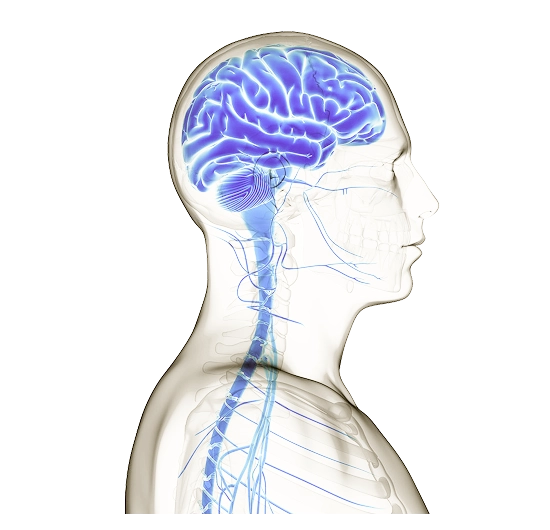
Most people have overused their sympathetic nervous system, also called the fight-or-flight system (ie: They are constantly in a state of stress). The constant over-stimulation of the sympathetic nervous system suppresses the immune system, suppresses digestion, assimilation of nutrients and elimination of waste products. The result is poor health.
Reducing the sympathetic nervous system activity through nutritional balancing, infrared sauna therapy, lifestyle changes and stress reduction, while simultaneously toning the parasympathetic nervous system, beneficially affects the autonomic balance and general health.
6
Mental and Emotional Healing:
Many types of mental and emotional healing occur with nutritional balancing. These include releasing emotional traumas, reducing the impact of negative situations, reducing emotional excesses and improving cognition, memory and many other mental faculties.
Many therapies including natural nootropics, cranio sacral therapy, meditation, counseling, nutritional correction, color therapy, bodywork and others can help release toxic ideas and emotions.
7
Spiritual Development.
Healing also involves the total development of a human being’s potential. This goes very far beyond symptom removal.
Learning to lead a purpose-centered life rather than existing in a reactive mode as most of us do today.
This is were Wishing Well’s Uncommon Sense Wellness approach shines.