


Cardiac Rehab Therapy
Based on NYHA’s (New York Heart Association’s) Functional Classes I-IV & Rehab Approaches, along with Wishing Well’s Innovations in Cardiac Exercise and Nutritional Science
Cardiac Rehab Therapy
Based on NYHA’s (New York Heart Association’s) Functional Classes I-IV & Rehab Approaches, along with Wishing Well’s Innovations in Cardiac Exercise and Nutritional Science


Patients who qualify for cardiac rehab
- Acute myocardial infarction
- Coronary artery bypass grafting
- Percutaneous coronary vessel remodelling (i.e. angioplasty, atherectomy, stenting)
- Valve replacement or repair
- Major pulmonary surgery, great vessel surgery, sustained ventricular tachycardia or fibrillation
- Class III or IV congestive heart failure unresponsive to medical therapy
- Chronic stable angina pectoris unresponsive to medical therapy which prevents the member from functioning optimally to meet domestic or occupational needs
The major goals of a cardiac rehabilitation program are:
- Curtail the pathophysiologic and psychosocial effects of heart disease
- Limit the risk for reinfarction or sudden death
- Relieve cardiac symptoms
- Retard or reverse atherosclerosis by instituting programs for innovative exercise programmes, awareness, counseling, and risk factor mitigation
- Reintegrate heart disease patients into successful functional status in their families and in society
THE UNIQUENESS OF THE PROGRAM
Wishing Well’s Cardiac Rehab Therapy is one of its kind in India.
- This program is for:
- Patients symptomatic Post CABG / Post Stent / Inoperable.
- Heart Failure Patients.
- Advance Hypertension Management.
- Geriatric Patient unfit for Intervention.
This is the first program to reduce the ischemic burden in patient with coronary artery disease by evidence-based medicine combining various proven treatment modalities.
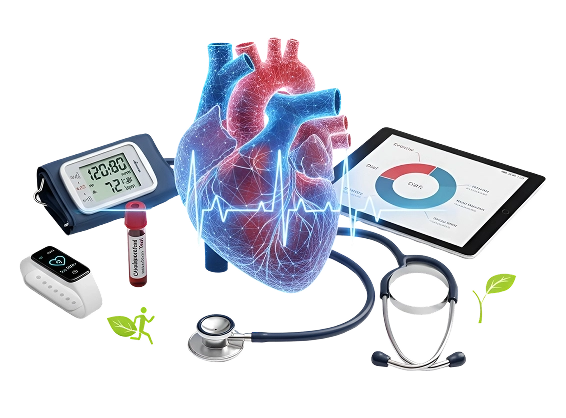
Program Components include:
- Diagnostic procedures for monitoring and tracking progress
- EECP Therapy
- Chelation & Chezone (give link to chelation therapy)
- Workout Sessions with EWOT (give link to EWOT Therapy)
- Whole body Ozone Therapy (give link to ozone therapy)
- Resistance exercises and Strength Training
- Intravenous Nutritional Therapies and Oral Supplements: to health arterial injuries, clear arteriosclerosis, reverse diabetes and hypertension, restore nutritional deficiencies.
- Detox Therapies to remove toxins and detox kidneys, the gut and the liver
- Personalized Care Plan: Customized Lifestyle Modification Plan (Diet and Nutrition)
- Secondary Prevention Techniques:
- Understanding the Cardiac Rehabilitation process
- Depression, Anxiety and Anger Management Workshop
- Stress Management Workshop
- Lifestyle Management Workshop with key focus on Cardiac Risk Management
Program goals
- Stimulating body’s natural healing mechanism/ bio-feedback mechanism
- Improving nutrition at the cellular level and normalizing the cell level biochemistry
- Angiogenesis/ Creating new collateral blood vessels
- Improved perfusion at tissue level
- Improved functional capacity of vital organs/parts
- Improved exercise tolerance level and quality of life