


Diabetes
Diabetes


Doctors tell us that Type 2 Diabetes is an incurable, genetically-inherited, lifelong ailment that can only be managed and not treated. The truth is, Type 2 Diabetes can be treated and in many instances the disease can be arrested and/or reversed.
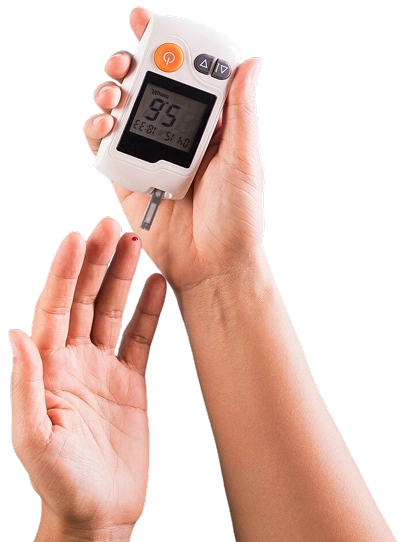
Wishing Well Treatment Includes
Type 2 Diabetes is one of the most misunderstood diseases in medicine. It is typically thought of as a disease of high blood sugar. (High sugar is the symptom, not the disease).
Limitations of Conventional Treatment:
Conventional treatment focuses on lowering blood sugar levels with the use of oral medication and/or insulin. Even while sugar levels are controlled in this manner, the disease marches on, leading to conditions such as neuropathy, retinopathy and nephropathy. If controlling sugar levels was all that was needed, why do diabetics develop these problems?
Trading One Evil for Another:
Conventional treatment lowers blood sugar levels while raising insulin levels. This approach solves one problem while creating a host of other problems. Current research clearly shows that high insulin levels play a major role in: Heart disease, Peripheral Vascular Disease, Stroke, High Blood Pressure, and Obesity.
Diabetics are at risk for all of the above.
Clearly, something more than just blood sugar control is needed to tame this monster. In order to do so, we must first understand the disease and its mechanism.
Looking at the Causes instead of the Symptoms:
One of the prime causes of Type 2 Diabetes is a decrease in energy production at the cellular level.
Two conditions cause this decrease in energy production:
- The inability of the body to efficiently metabolize oxygen to produce energy. (There are 2 ways your body can make energy. By metabolizing the oxygen you breathe (aerobic metabolism) and through anaerobic metabolism i.e. without oxygen. The former lasts a lot longer and is preferable while the latter is reserved for emergencies. Inefficient aerobic metabolism results in an energy deficit leading to degenerative diseases such as diabetes).
- Shifting away from burning FAT to burning GLUCOSE for energy. (Oxygen can be used to burn fat or glucose for energy. Contrary to popular belief, it is fat and not glucose that the body prefers to burn to produce energy. A typical young person will obtain almost 100% of their resting energy production from burning fat, while an older (or sicker) person will burn glucose for their energy production. As people age or develop disease, they shift from burning fat to burning glucose).
How Decreased Aerobic Metabolism Results in Type 2 Diabetes:
Cells store energy in the form of ATP which provides the energy for cell membranes to communicate with insulin, without which glucose cannot enter the cell. As energy production decreases, and the cell has less ATP, it cannot interact effectively with insulin.
This is ONE OF THE PRIME CAUSES of insulin resistance (resulting in Type 2 Diabetes). A deficit in ATP contributes in several other ways to developing Type 2 Diabetes. Eg: ATP protects islet cells in the pancreas from free radical damage.
How the Shift from Fat to Glucose Metabolism Results in Type 2 Diabetes:
The shift from fat to glucose metabolism causes the cells to burn more glucose and since very little glucose can be stored, it results in continuous depletion of glucose stores. This makes one crave for carbohydrates. The more carbohydrates you eat, the more insulin your body will make. The cells respond to this increase in insulin production by decreasing the number of insulin receptors (called receptor down regulation). This again leads to insulin resistance.
The body adapts to the dietary shift of increased carbohydrate intake by burning more glucose instead of fat. And because most of these carbohydrate calories are not going to be used up immediately, they will be stored as fat. Burning less and storing more fat increases your body fat percentage…another cause of insulin resistance. As insulin levels rise, the adrenal glands pump out more cortisol (a stress hormone) to balance the effects of insulin. Elevated cortisol suppresses the activity of insulin receptors on cells and insulin resistance becomes eve more pronounced.
The Good news:
Type 2 Diabetes can be dealt with effectively without having to suffer its debilitating effects.
At Wishing Well, our metabolic understanding of Diabetes, (as described above), leads us to a much more effective approach in treating Diabetes, which in turn leads to halting the progression of the disease, and in many cases reversing it. A life without “controlling” blood sugar with toxic drugs while the disease marches on below the radar, leading to retinopathy, neuropathy and nephropathy…and God-forbid, non-healing diabetic foot ulcers (one of the leading causes of limb amputations in the world today).